

Whenever I watch an old movie that was shot on location, it’s really hard to stop the location scout side of my brain from constantly trying to figure out how people did my job 70+ years ago. Here’s an example from a 1953 noir called Pickup on South Street….


And here’s what goes on in my head as I see it:

In 2026, darting through traffic is a serious enough stunt that you want everything to be buttoned up. That’s your lead actress putting herself in harm’s way, and the entire production depends on providing everyone with a safe and controlled filming environment.
It’s fun to look closely and see things I recognize, like this police officer, just barely visible, holding back traffic. Also, I believe that’s his police car blocking people from exiting the parking lot, which is a smart way to do it!

Then you have the pedestrians in the background. These days, you don’t leave anything to chance, for both safety and legal reasons, so everyone in frame should be part of the production. But in older movies, you often see this funny mix of background actors walking around crowds who are clearly gawking at the shoot. You usually won’t notice it unless you look for it, but once you do, you’ll start to see it in countless old movies filmed on location.

But what about everything we consider standard in 2026? From permits and craft service, to equipment truck and basecamp parking, generators and insurance… I’m sure much was far, far more lax in 1953, but what was actually a strict requirement that we don’t even think about anymore?
We see the woman in the white dress walk into the PacMutual building…


And then, a shot of the gorgeous lobby, built in 1908 and still used for filming all these decades later (one notable perk: front-facing elevator banks, a rarity).


If there’s any argument for shooting on location, simply watch old movies, where 90% are typically shot on stage builds – and then, a real world shot sneaks in, and suddenly everything comes alive.


But what were location fees like back in 1953? Were film shoots restricted to weekend-only shoots so as to not upset tenants? Was the phone booth she uses real, or a prop trucked into the lobby?

Later in the film, we see a man walk down the street…and eagle-eyed viewers will notice that’s the same arched-window building in the cornder from the earlier street-crossing shot…


He turns into a lobby with a magazine stand – and in fact, we’ve been here before…


This is the side entrance to the PacMutual lobby! And suddenly, the logistics/cost-saving scout in me sees a location manager who knew the value of a property offering two distinct locations in one.

But what I appreciate most is that I first watched Pickup on South Street to check out the handful of scenes shot in New York, a rarity at the time. You get a brief glimpse of the Williamsburg Bridge…


A rear projection of the Brooklyn Bridge at the back of the main character’s dockside shanty…


A quick shot of the Public Library…
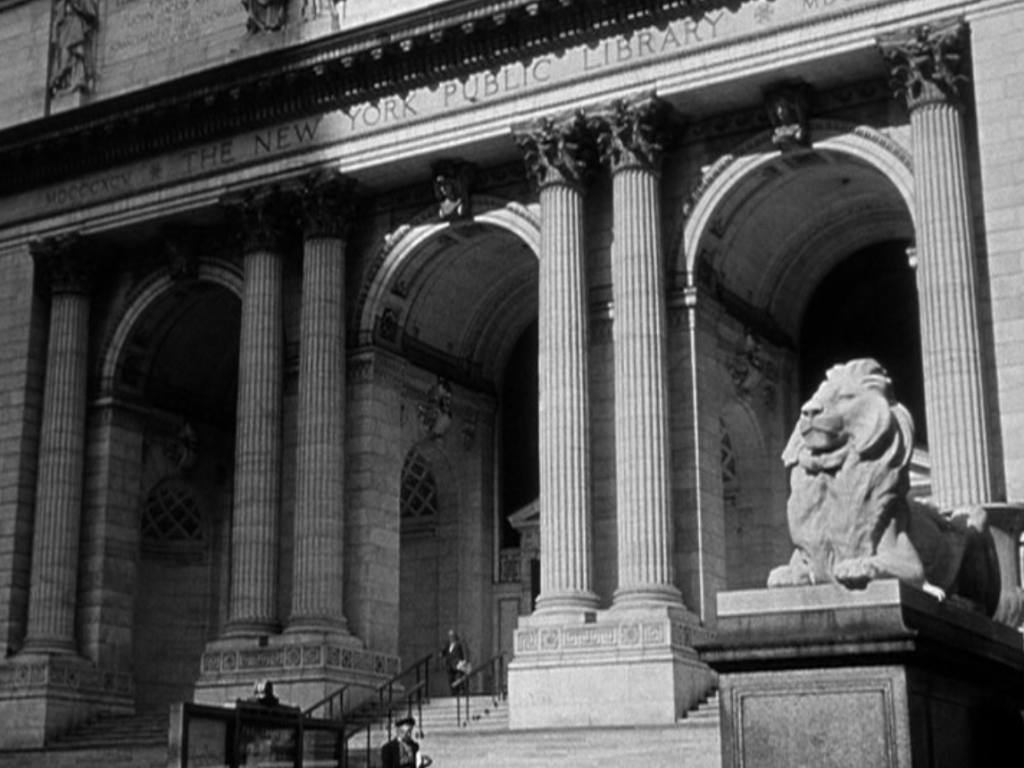
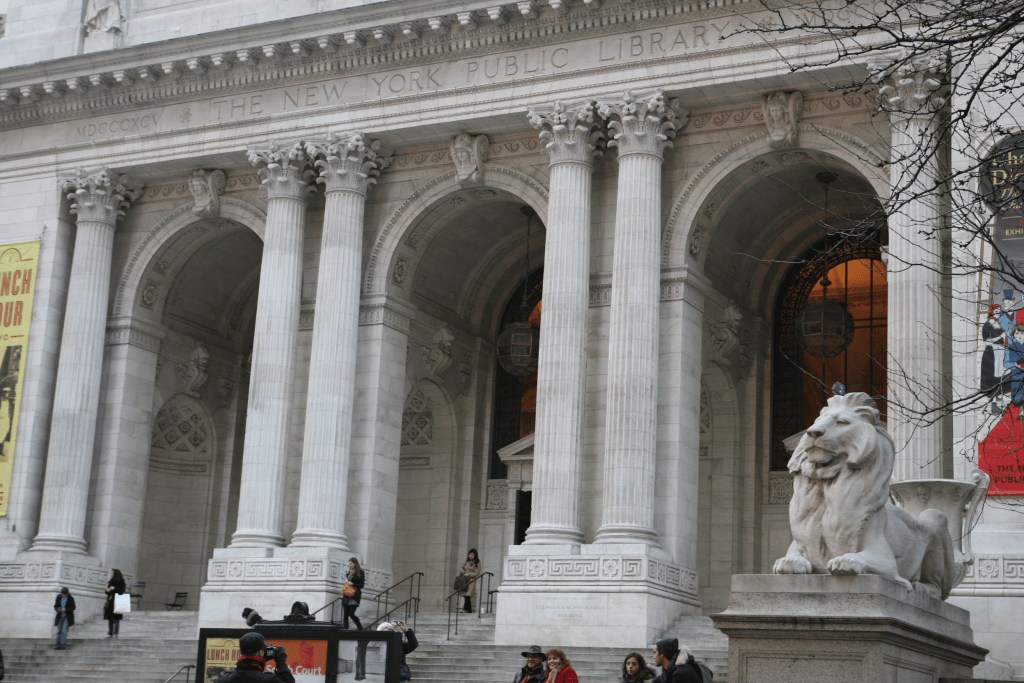
After most unexpectedly, when the police officers look out the window of their fake office, the view is ACTUALLY what would’ve been seen from the old Police Annex in NYC at the corner of Broome & Centre Street:


Last but not least, when they ride the fake subway, we get a rear projection taken from the L train:


Which is why, when this shot of LA posing as New York showed up, I didn’t blink an eye on first viewing, and spent about an hour trying to figure out what midtown block it was shot on before I realized I’d been fooled…

Which is the highest praise you can give to a location scout. No credit is given on the film, so to whoever that was, proud to follow in your footsteps all these decades later.


Leave a Reply